



25 February 2025
Future Healthcare Innovations
in Medical Treatment
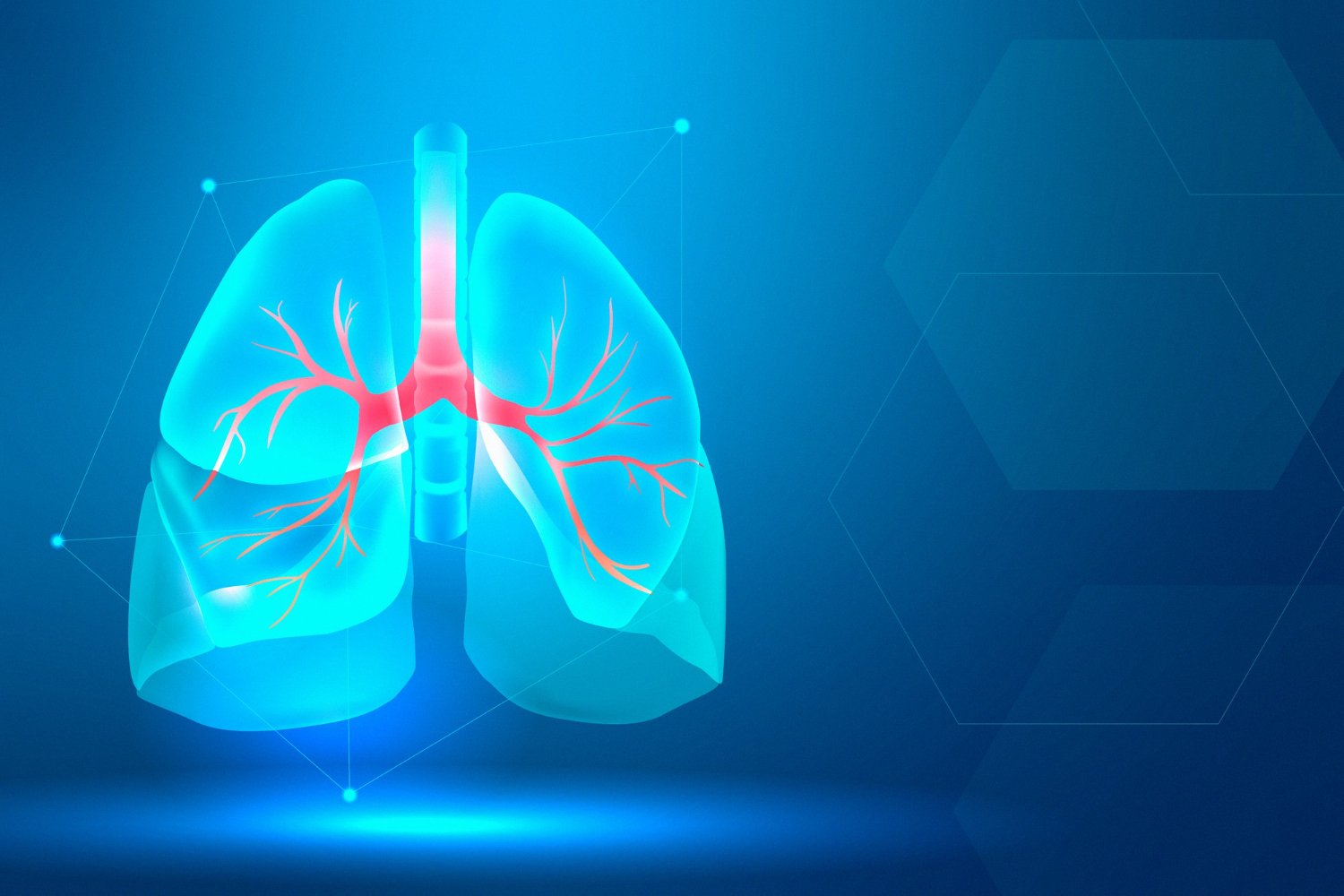
Chest Specialist
Chest specialty, or pulmonology, is a branch of internal medicine closely related to intensive care medicine. Pulmonologists may care for patients who need life support and mechanical ventilation. They are specially trained in diseases and conditions of the chest, particularly pneumonia, asthma, tuberculosis, emphysema, and complicated chest infections.
A simple cough associated with allergies or a cold does not always require a pulmonary specialist. Urgent care or your primary care doctor may be a good first step, followed by a referral to an allergist or an ear, nose, and throat (ENT) specialist when appropriate.
When to Consider a Pulmonary Specialist
The following symptoms may be related to a lung condition. A pulmonary specialist may be helpful:
- Chest pain or tightness
- Dizziness, lightheadedness, or fainting
- Difficulty breathing, especially during exercise
- Fatigue
- Wheezing
- Recurring or chronic bronchitis or colds that affect your respiratory system
- Asthma that is not well controlled or has unidentified triggers
Diagnosis and Treatment
Your doctor may treat chest pain with medication, noninvasive procedures, surgery, or a combination of these methods. Treatment depends on the cause and severity of the pain.
Treatments for heart-related causes of chest pain may include:
- Medications, which may include nitroglycerin and other medicines that open partially closed arteries, clot-busting drugs, or blood thinners
- Cardiac catheterization, which may involve using balloons or stents to open blocked arteries
- Surgical repair of the arteries, also known as coronary artery bypass grafting or bypass surgery
Treatments for other causes of chest pain may include:
- Re-inflation of a collapsed lung, which a doctor may perform by inserting a chest tube or related device
- Antacids or certain procedures to treat symptoms of acid reflux and heartburn
- Anti-anxiety medications for chest pain related to panic attacks

